Embroidery Techniques
How to Plan Colors for an Embroidery Pattern
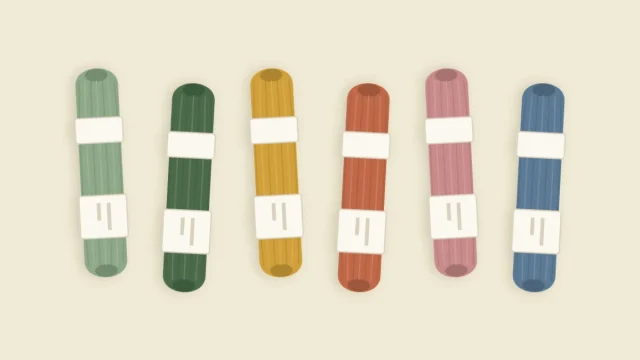
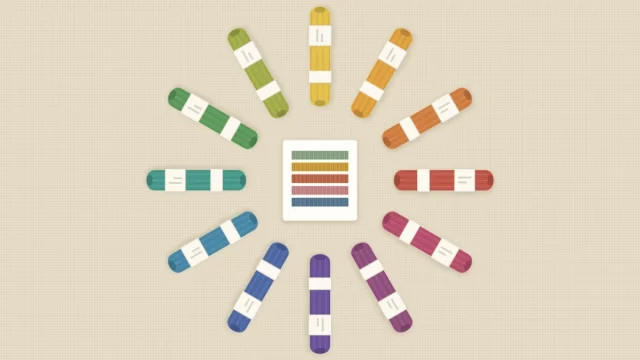
Start from the fabric, keep to three to five colors and check light, medium and dark before you stitch. Three easy schemes and a quick grayscale test.
Hand embroidery patterns made simple
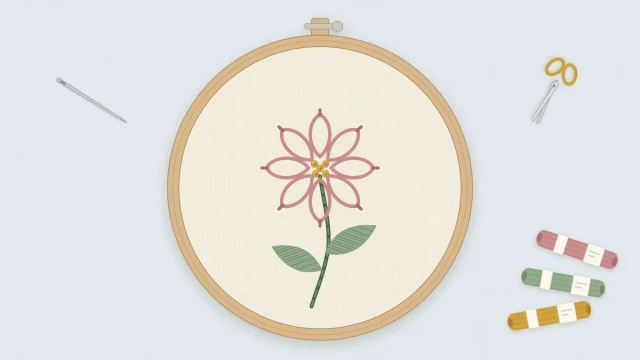
The fundamentals: basic stitches, pattern transfer, fabric, thread, hoops, stitch choice and color.
8 tutorials published
Start from the fabric, keep to three to five colors and check light, medium and dark before you stitch. Three easy schemes and a quick grayscale test.
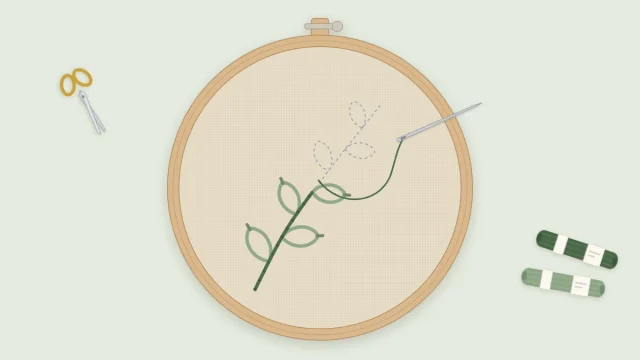
Sort every part of a pattern into lines, fills or texture, then let curve, size and use decide the stitch. Includes a decision table for common elements.
How six-strand cotton floss and pearl cotton differ, how to separate strands without tangles, and how many strands to use for outlines, fills, lettering, and knots.
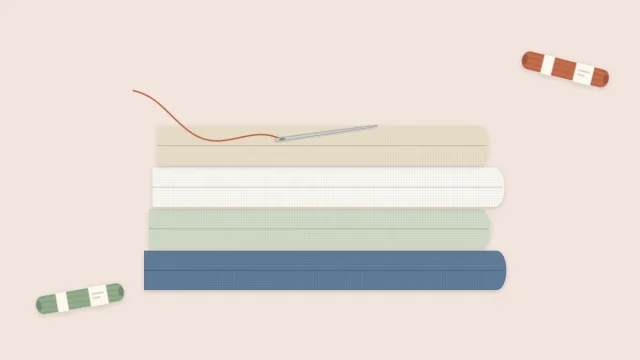
Why medium-weight, non-stretch cotton and linen are easiest to stitch, how canvas, denim, and felt compare, and how to prewash, cut, and find the grain.
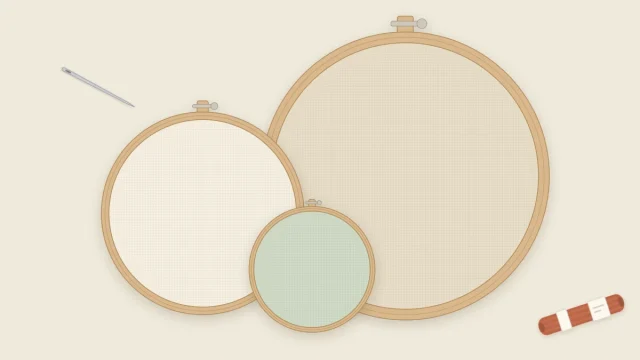
How wooden, bamboo, plastic, and spring-tension hoops differ, which hoop size suits which design, and a step-by-step method for getting fabric drum-tight without hoop marks.
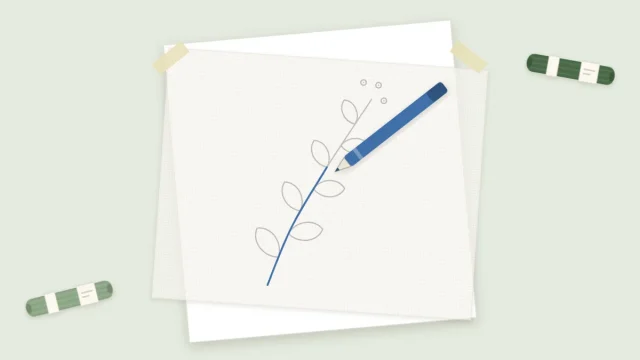
Four ways to get a design onto fabric: tracing over a light source, water-soluble stabilizer, transfer paper, and heat-transfer pencil, with advice on which suits light, dark, and thick fabric.
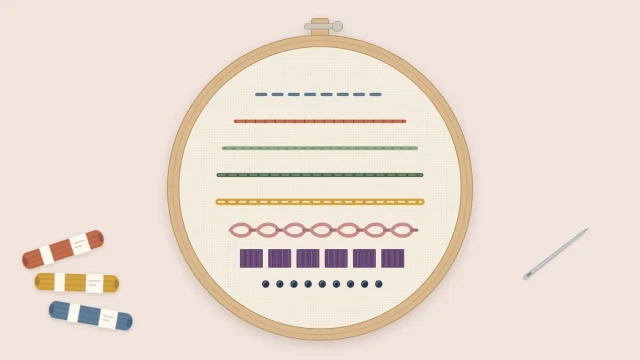
Running stitch, backstitch, split stitch, stem stitch, chain stitch, lazy daisy, satin stitch, and French knot, each explained by needle positions with its most common mistake.
The six tools you need for a first hoop, how to cut, divide and thread floss, how to start and end a thread, and what to stitch first.